Published on
A Closer Look at Youth Workforce Solutions: IYF’s 35th Anniversary Learning Journey in Mexico City
What do youth workforce solutions actually look like when education systems, employers, communities, and young people build pathways to opportunity together — not in theory, but in practice?
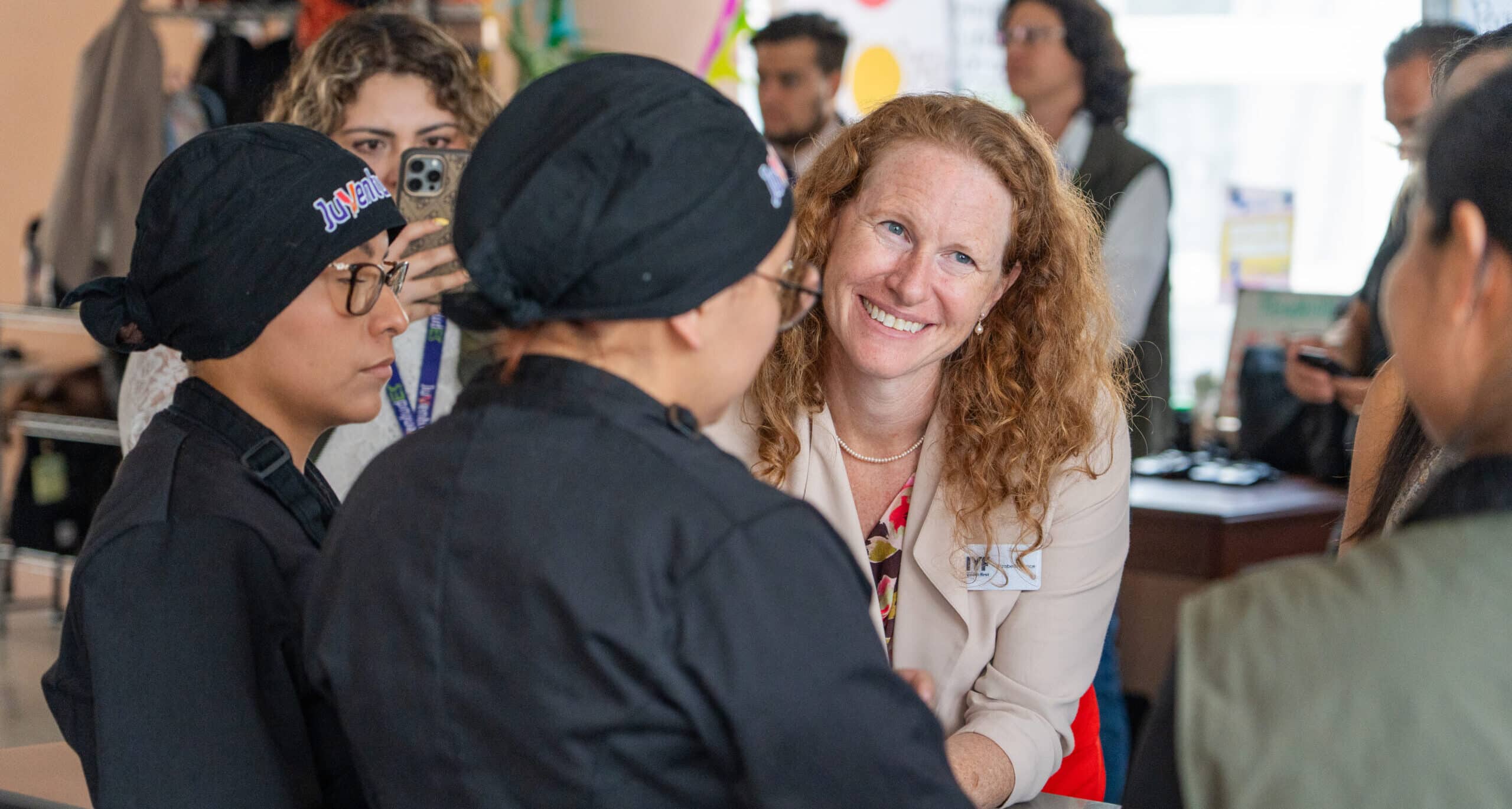
In April, the International Youth Foundation (IYF) welcomed partners and workforce development leaders to Mexico City for its 35th Anniversary Learning Journey, an opportunity to move beyond presentations and into real conversations about what it takes to create economic opportunity for young people at scale.
Over two days, Learning Journey brought together participants engaged directly with educators, employers, community organizations, and young people navigating the transition into work in a rapidly changing economy. The Learning Journey focused on a central question: how can education and workforce systems evolve quickly enough to meet the realities young people face today?
Mexico provided a powerful backdrop for that discussion. Each year, hundreds of thousands of young people in the country leave school without clear pathways into employment, while employers continue to report difficulty finding qualified talent. At the same time, technological change—including the growing impact of artificial intelligence—is reshaping the future of work across industries.
The Learning Journey highlighted how IYF and its partners are responding to these challenges through practical, system-level solutions that connect training more directly to labor market demand.
Where Policy Becomes Practice: CONALEP
One of the visit’s anchors was CONALEP México-Canadá, a campus of Mexico’s National College of Technical Professional Education (Colegio Nacional de Educación Profesional Técnica). As the country’s largest public technical education system, CONALEP prepares hundreds of thousands of young people annually for careers in fields ranging from manufacturing and healthcare to digital technology.
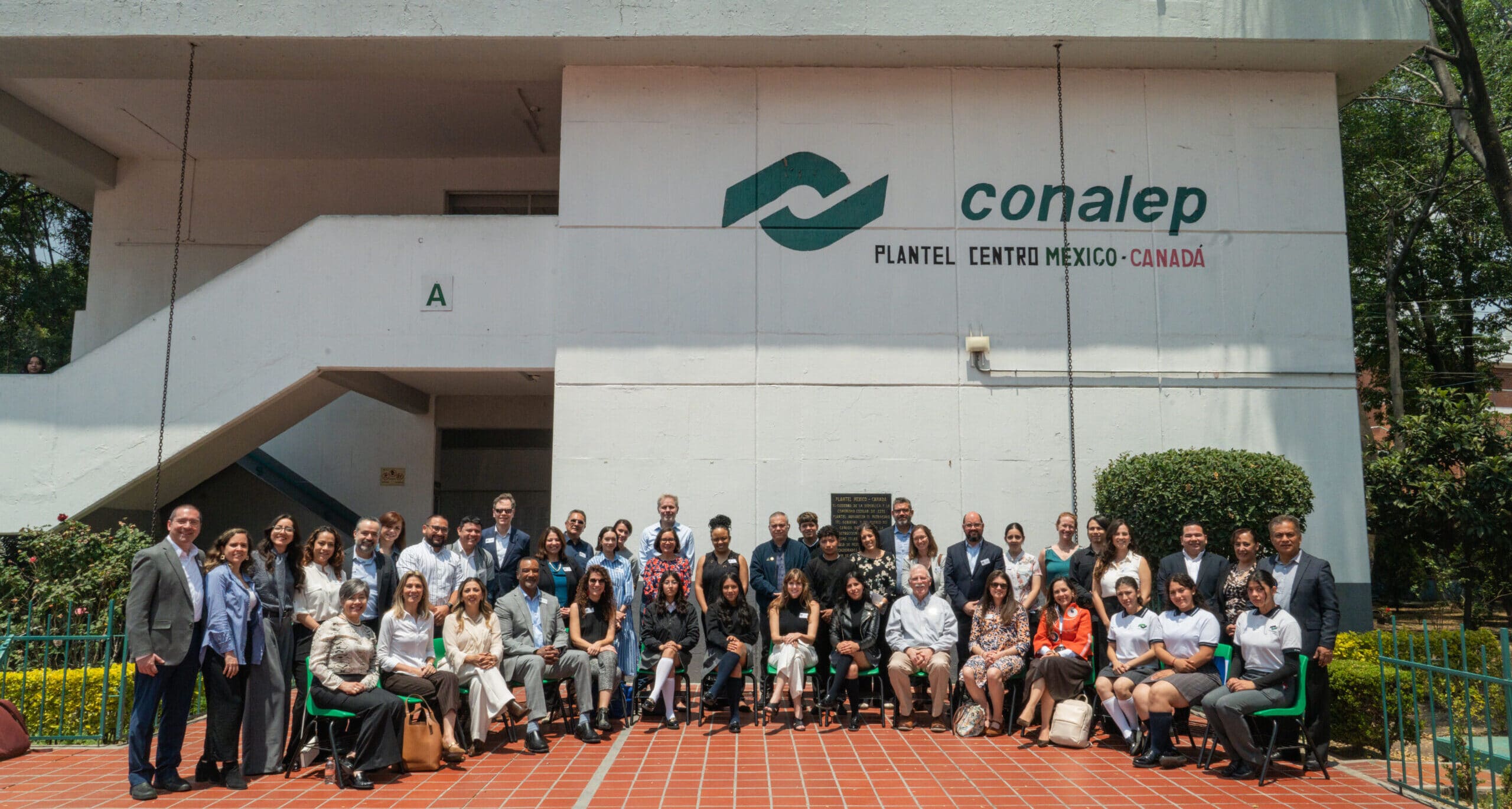
Participants visited the CONALEP campus and saw firsthand how partnerships between employers and public technical education institutions are helping modernize training in fields such as logistics and cybersecurity. Sessions explored how programs like Jóvenes con Entrega and Networking Cybersecurity are embedding industry-aligned curricula and workplace skills into technical education systems.
Reconnecting Young People to Opportunity: JuventudES and CEJUV
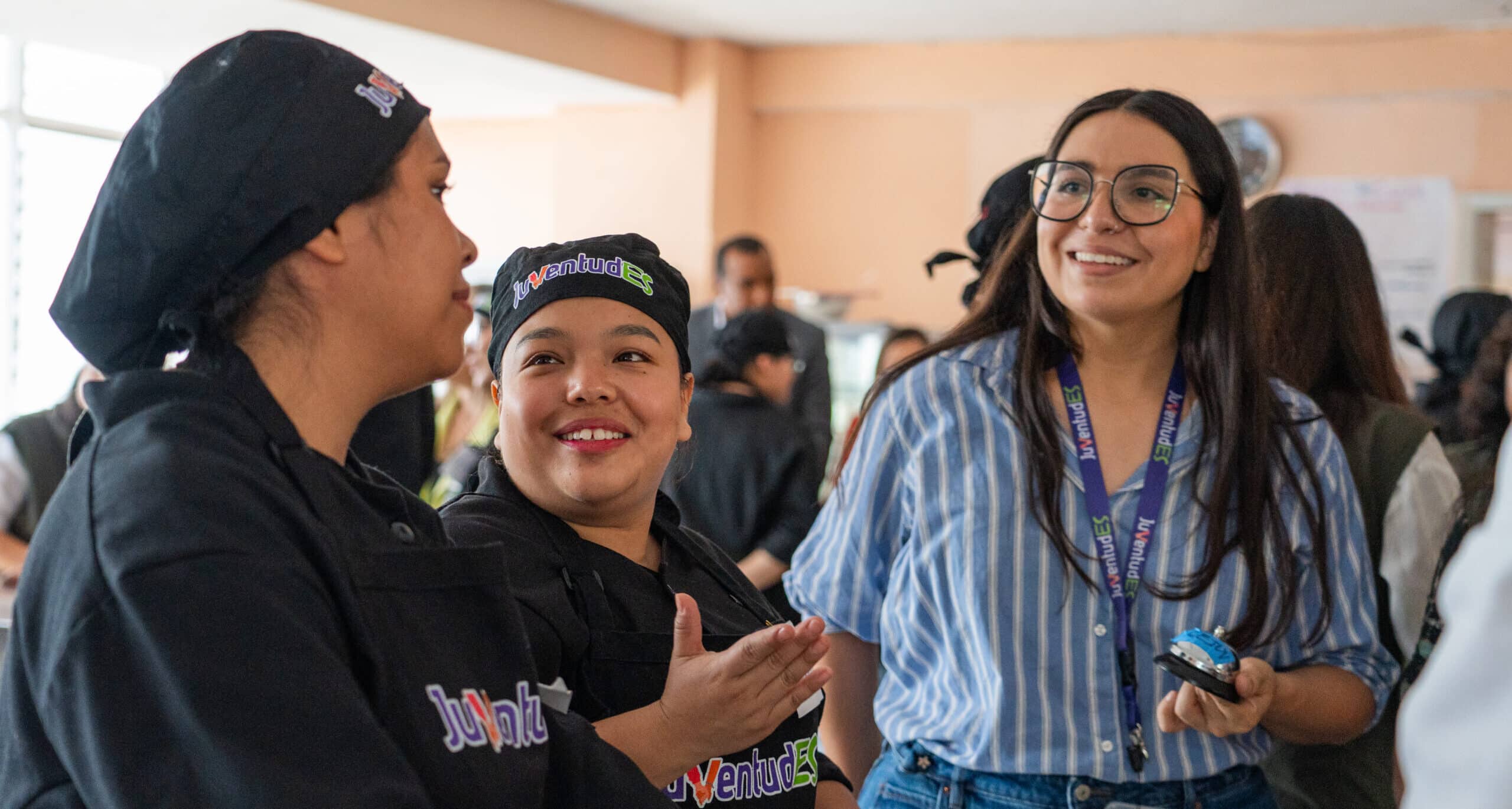
The second site visit centered on JuventudES and Centro de Desarrollo Juvenil (CEJUV), a community-based youth development center in Mexico City working with young people facing the sharpest structural barriers to formal employment, including those who have left the education system, experienced violence, or are navigating extreme economic precarity.
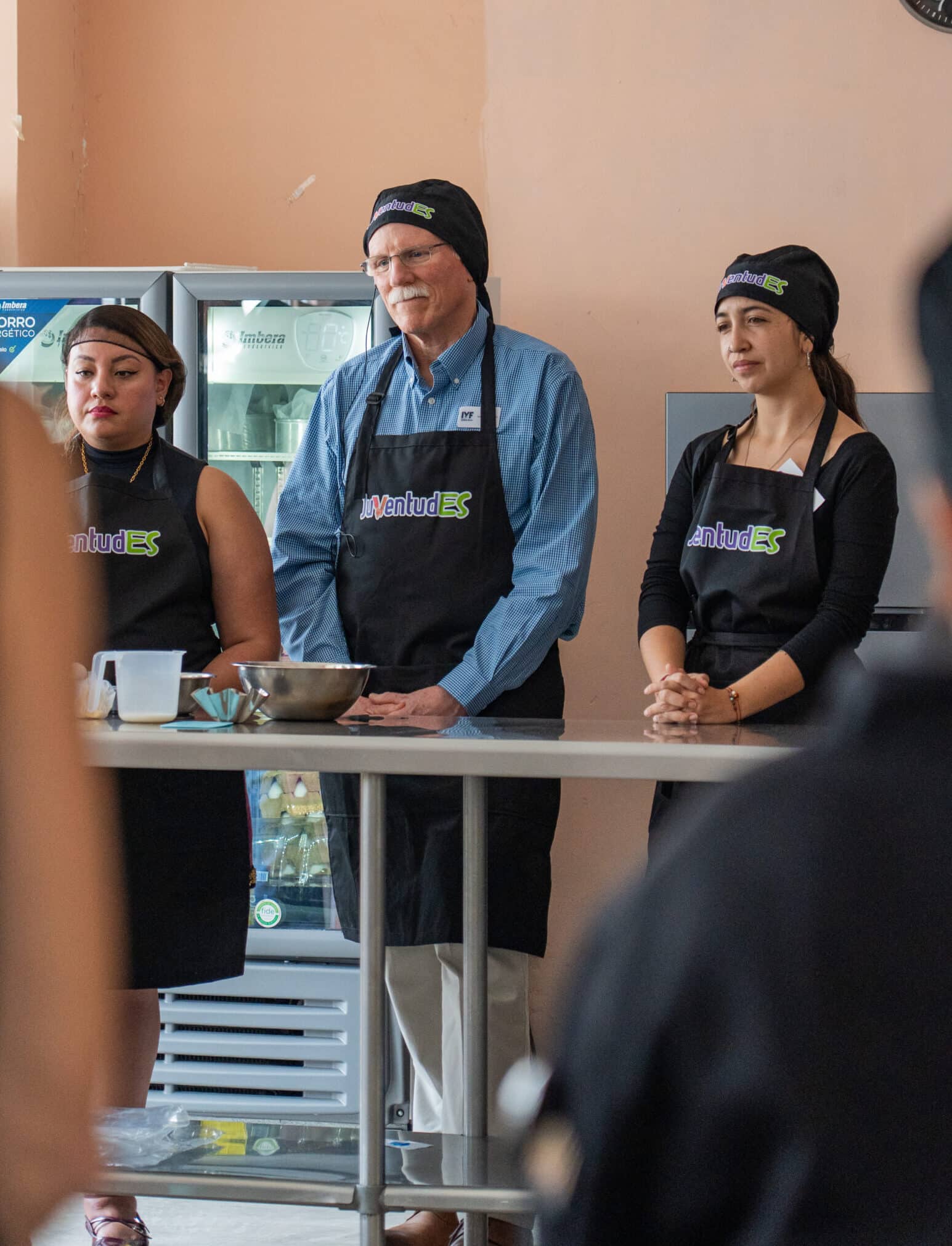
Here, participants experienced another side of the workforce challenge: supporting young people who have become disconnected from education and formal employment. Through demonstrations of Passport to Success® — a research-based socioemotional learning curriculum used across more than 50 countries — and technical training activities, visitors saw how socioemotional skills, mentorship, and practical workforce preparation can help reconnect youth to viable career pathways. The approach centers the young person’s own goals and agency, recognizing that sustainable employment outcomes are built with young people, not simply delivered to them.
From Training to Systems Change
Throughout the trip, conversations emphasized that skills alone are not enough. Strong outcomes require stronger systems—ones that align employers, educators, governments, and community organizations around shared goals and real labor market needs.
The Learning Journey also created space for cross-sector dialogue among leaders from philanthropy, business, education, and civil society, including representatives from Microsoft, Caterpillar, Google, Cisco Networking Academy, the Conrad N. Hilton Foundation, Fundación Santander México, UNICEF, PwC Mexico, and CONALEP. Conversations on workforce transformation, AI readiness, youth inclusion, and the future of technical and vocational education were grounded in what participants had observed directly, making the exchange sharper and more consequential than what a conference setting typically allows.
A Shared Path Forward
As IYF marks 35 years of impact, the Learning Journey was a working session that reflected both the organization’s history and what the next chapter requires. While the context continues to change, the commitment remains the same: ensuring young people have access to meaningful opportunity and the support systems needed to succeed.
The experience reinforced a shared understanding among participants: solving today’s workforce challenges will require collaboration, adaptability, and long-term investment in systems that can respond to the pace of economic change. By bringing partners together to learn directly from programs, institutions, and young people themselves, the Learning Journey turned insight into action and deepened the partnerships needed to expand opportunity for the next generation.