
Published on
Investing in Youth for Peace: The Lasting Legacy of YPS
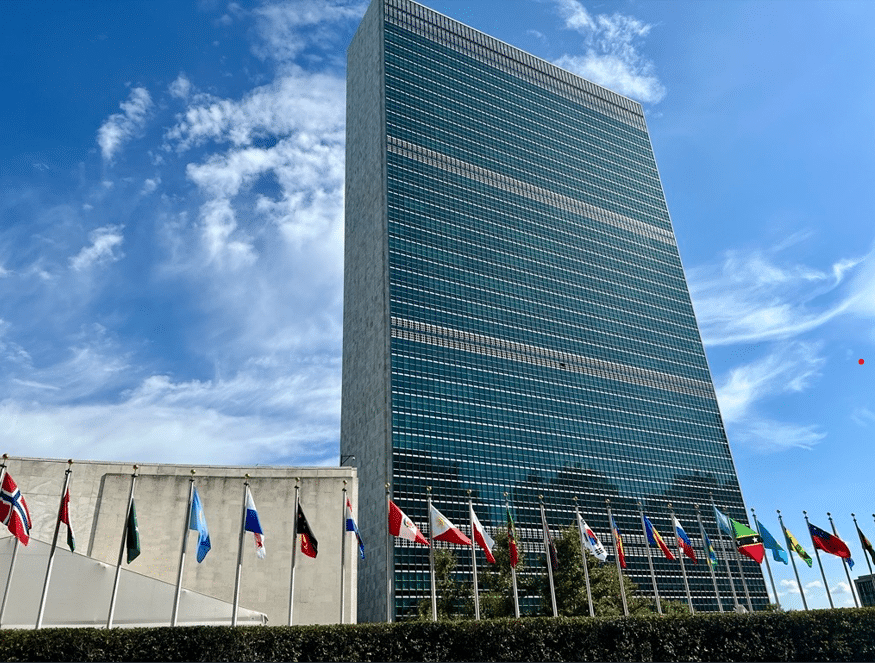
Ten years ago, the United Nations Security Council adopted Resolution 2250 (YPS), marking a historic shift: for the first time, youth were recognized not as threats or passive victims of conflict, but as essential drivers of peace and conflict resolution. This December, as the UN and partners mark the anniversary with highlevel dialogues spotlighting youth leadership amid rising conflicts and digital threats, and bear witness to a new, unanimously adopted UNSC Resolution which urges greater youth participation and leadership, one lesson stands out: when we invest in youth, we unlock the power, freedom and leadership that make communities more resilient and peaceful.
By Christina Sass, IYF President & CEO, and Pia Saunders Campbell, IYF Head of International Growth & Policy.
A Decade That Changed the Narrative
On December 9, 2015, the UN unanimously adopted Resolution 2250 (UNSCR 2250) on Youth, Peace, and Security (YPS). This was the first international policy framework to recognize young people as playing both an important and a positive role in the promotion and maintenance of international peace and security. It was a groundbreaking shift in perspective—fifteen member countries resolved to no longer see young people as threats or victims of violence, but as drivers of conflict resolution and peace. Most importantly, the resolution urged Member States to include youth in decision-making at all levels—local, national, and international.
Over the intervening years, the threats facing young people and their future have only grown—from international conflicts and climate change to digital disruptions and online harassments. Through it all, the YPS resolution has acted as a guiding framework that urges us to see young people as active participants and decision-makers in any policy and discussion around navigating these threats. It is a perspective shift that many policymakers and thought leaders still struggle to make.
Why This Shift Matters – and why it matters Now
The old narrative—youth as risks, victims, or passive recipients—limited the potential of entire generations. It overlooked the fact that young people are often the first to innovate, organize, and rebuild in the aftermath of crisis. The YPS agenda insists that young people are not just affected by today’s challenges; they are essential to solving them. The youth-movements from Bangladesh to Morocco, the Philippines and Kenya over the past 12 months have demonstrated the power of the younger generation and highlighted why their participation in political and civic processes is essential for building more resilient, peaceful communities that can address the challenges of the present and shape a hopeful future.
This urgency was underscored this month when the UNSC reaffirmed its commitment to YPS by unanimously adopting resolution 2807 urging for full and meaningful youth participation in peacebuilding and conflict resolution at all levels. While the earlier 2015 resolution (2250) recognized youth’s role in peacebuilding, the new December 2025 resolution (2807) turns intention into action by creating mechanisms for deeper and systematic integration and leadership of youth.
Investing in Youth First: What It Looks Like

For us at IYF, investing in youth means equipping them with the skills to thrive today and lead tomorrow. Our programs over the past 35 years demonstrate that when young people are entrusted with work and civic roles and are equipped with the tools and spaces to shape the defining concerns of the day—whether its AI, conflicts or climate change—communities grow stronger and institutions more inclusive.
- Workforce Development as a Peace Dividend
Studies show that workforce systems codesigned with employers, educators, and youth leaders can scale opportunity and reduce risk.
A job is more than income—it’s a pathway to dignity, agency, and belonging. The first paycheck, a recognized role, and entry into networks and services build agency—the belief that “my effort matters”—and strengthen socio-economic structures that widen opportunity. That combination fuels hope, and prosocial norms—the very qualities that hold communities together and sustain peace.
- Youth Civic Participation as prevention dividend
In his International Youth Day message this year, the UN Secretary-General António Guterres emphasized: “When young people lead, societies thrive.” Creating more opportunities for young people to meaningfully participate and lead in the civic issues impacting their communities is essential for long-term progress and resilience and to prevent future conflicts. When youth take on leadership roles in community safety, mediation, and local planning, they gain status, skills, and a stake in local wellbeing. That is leadership born from responsibility—and it changes how communities see youth.
The YPS progress study—The Missing Peace—documented thousands of young peacebuilders shaping safer, more inclusive communities and urged a decisive shift from viewing youth as a “problem” to resourcing their leadership. Prevention research by the UN–World Bank—Pathways for Peace—demonstrates why this matters: inclusive policies and youth participation save lives and resources compared with latestage crisis response.
- Designing a youth-led AI-future
Every generation’s youth face their own unique threats and opportunities. For today’s youth, it is undoubtedly the advent of AI and the way it is reshaping jobs and civic spaces that young people inhabit. Leading international bodies and voices have expressed the same. In the 10-year anniversary event for YPS, the UNSC identified “digital threat” as one of the leading forces impacting youth lives. Sundar Pichai, the CEO of Google, has equated the invention of AI as “more profound than…electricity or fire.” Pope Leo, during his virtual address at an American youth conference warned young people to be “careful that AI doesn’t limit human growth.”
AI brings both disruption and opportunity. Policymakers and philanthropists must prepare young people for an AI-driven future, where they maneuver AI-tools to advance their career, their leadership and civic participation, instead of fearing it as a threat. By giving youth the right skills, we can help them shape their futures and strengthen their communities.
The Case for Investing in Youth First
Investing in youth is both an investment in the next generation and a long-term strategy for strengthening the very fabric of society, enabling individuals and communities to thrive together.
Power: Youth workforce programs foster confidence and grant social recognition, moving young people from the margins to the center of community life. It provides the foundation for dignity, belonging, and hope, supporting both individual empowerment and stronger, more resilient communities.
Freedom: Economic security and mobility allow youth the freedom to participate fully in society and shape their own futures. Similarly, when youth are equipped to harness emerging technologies like AI, they gain the freedom not only to pursue meaningful careers but also to adapt and thrive in evolving civic spaces.
Leadership: Investing in youth civic leadership drives innovation and strengthens social cohesion. This leadership is essential for building communities that value youth perspectives and for fostering prevention strategies that include youth voices in economic policy and institutional reform.
Ripple Effects: Investing in youth multiplies impact—it supports their physical & mental health, strengthens families, boosts local economies, and reinforces the civic fabric that holds communities together. When youth have access to supportive workforce opportunities, stable livelihoods, and inclusive civic spaces, their overall well-being is enhanced and they are empowered to lead, innovate, and shape peaceful, prosperous communities.
Call to Action: Put Youth First—today
Ten years on, the YPS agenda needs investment that converts principle into practice. With the recent adoption of UNSCR 2807—which reaffirms and expands the global commitment to youth, peace, and security—there is a renewed opportunity for governments, donors, and partners to take action. Here’s how they can act now:
- Fund youthled workforce coalitions that connect secondary/postsecondary providers, employers, and civil society—hardwiring paid experience, mentorship, and entrepreneurship supports for young people.
- Support integrated workforce programs that combine technical training, civic leadership, and market linkages—prioritizing youth most excluded.
- Resource youth participation and elevate youth voices in the design, implementation, and evaluation of policies at local, national, and international levels. Create formal mechanisms for youth input and leadership in legislative and decision-making bodies.
- Strengthen youth civic participation that reduces risk and builds trust. This can include youth councils and participatory budgeting tied to local peace and development plans, or designing prevention strategies that integrate youth perspectives into national/ regional economic policy, institutional reform, and inclusive dialogue.
- Back humancentered AI pilots cocreated with young people—curricula, guardrails, and accountability mechanisms aligned with leading international frameworks (like the recent UNICEF and UNESCO guidance for children & youth).
The Bottom Line
The YPS agenda’s greatest legacy is this: it changed the story. Youth are not problems to be solved—they are partners and leaders in building peace.
But if UNSCR 2250 ushered in a decade that changed the narrative, the next decade must change outcomes. Connecting youth to work and civic participation is the fastest route to shared prosperity—and to the power, freedom and leadership young people need to drive peace and progress in their communities.
Over the past three decades, we have seen this play out again and again through our programs across over 105 countries:
Invest in youth first, and everything else follows…healthier communities, stronger local economies, a rich civic fabric that holds us together, and stable societies that are prepared to meet the challenges and opportunities of tomorrow.