
Accurate Measurement Drives Impactful Programs
Discover IYF’s rigorous approach to continuous improvement.

IYF employs rigorous data collection and analysis to drive continuous improvement of our programs.

To ensure accuracy, we compare self-reported data against local benchmarks and exclude results that lack clear interpretability. We’re committed to clear measurement, transparent analysis, and sustained growth through learning.
We use baseline, exit, and ex-post surveys, along with third-party evaluations, to track and learn. Every insight helps refine programs and strengthen outcomes for youth worldwide.
At IYF, measurement and evaluation is both a technical function and a management asset. We have a clear policy and a practical toolkit that sets expectations and gives teams standardized resources for everything from plans and indicator banks to evaluation designs, data management, and learning. We run strong performance management: projects align measurement to theory of change, report strategy indicators quarterly into centralized systems, and use data for adaptive management and continuous improvement. At the portfolio level, IYF tracks both the breadth of youth engagement and the depth of youth outcomes through complementary measures that distinguish reach from transformation.
We also bring a mature toolset—standard participant templates, life skills measurement, quality standards, and systems-change tools like AAER-based assessments—along with SOPs that maintain a single source of truth for impact data.
IYF tracks portfolio performance through two complementary measures. The Hero Number captures the breadth of IYF’s reach, representing the total number of young people who engage with IYF-supported programs and services. The North Star measures the depth of transformation, capturing the subset of young people whose economic trajectories are meaningfully improved through outcomes such as skills acquisition, employment, continued education, or entrepreneurship. Together, these measures help IYF understand not only how many young people we engage, but also how many experience meaningful change as a result.
IYF’s measurement and evaluation approach is grounded in four principles:
- Participatory: Youth, partners, and local stakeholders are actively engaged in defining success, generating evidence, and using data.
- Equitable: We intentionally measure who benefits and who may be left out, using disaggregated data and equity-centered evaluation approaches.
- Utilization-focused: Evaluation questions and performance data are designed for decision-making—by implementers, partners, and funders.
- Adaptive: Measurement and evaluation fuels continuous learning and course correction through structured reflection, feedback loops, and adaptive management.
Measurement and evaluation is embedded across the full project cycle—from design and theory of change, to implementation, learning, and close-out.
IYF brings strong, donor-ready performance management systems that balance accountability with learning:
- Performance measurement plans aligned to project theories of change
- Routine data collection tied to outputs, outcomes, and (where appropriate) impact
- Agency-level indicators aligned to IYF’s strategic objectives (outdated, don’t use, unless it speaks to a particular donor preference)
- Centralized reporting systems that support consistency, comparability, and transparency
- Robust data quality assurance, privacy, and security protocols (including GDPR-aligned practices)
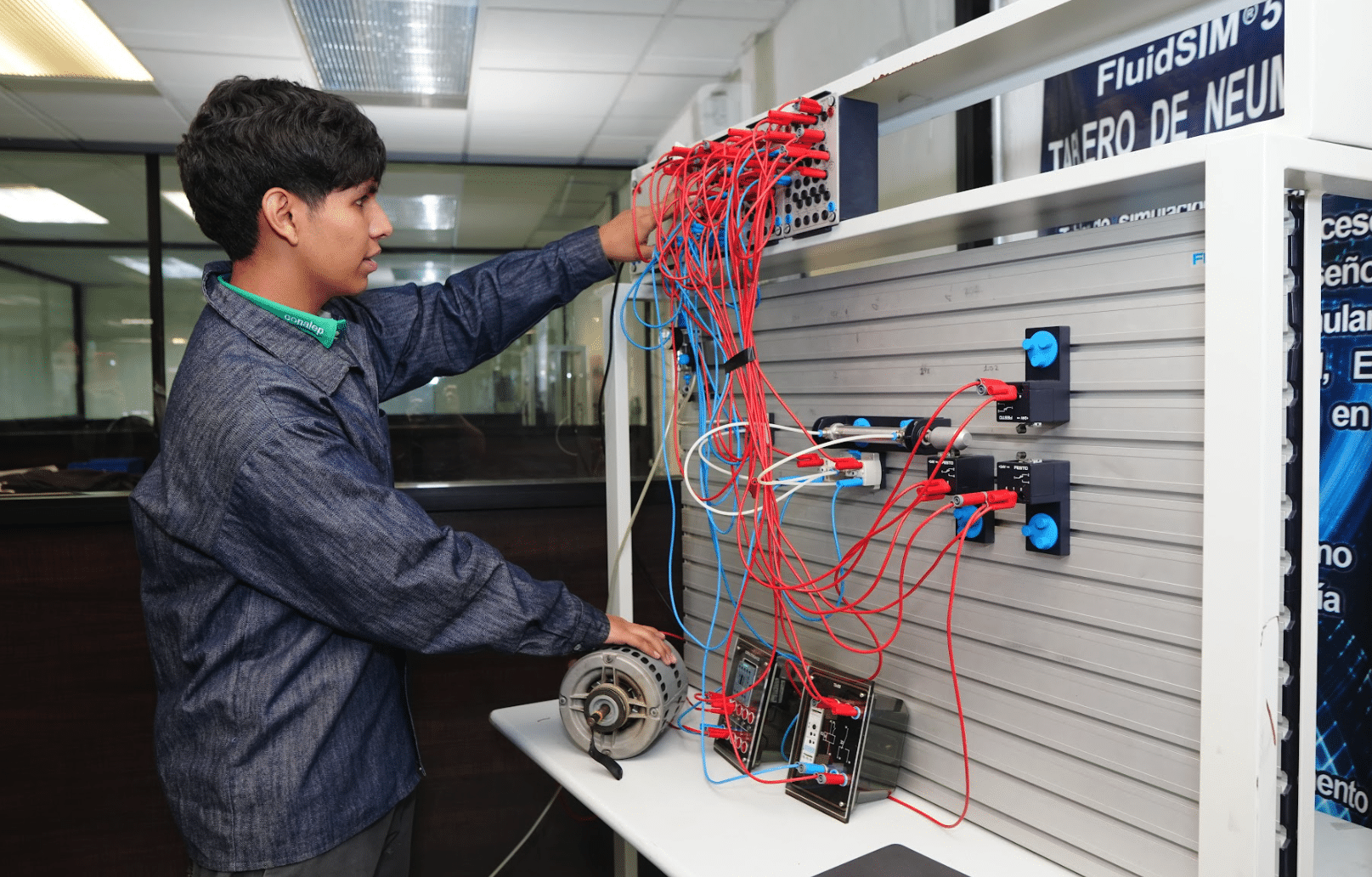
Tools & systems we bring
IYF uses a standardized suite of MERL tools that can be adapted across contexts, including youth outcome measurement tools, participant tracking templates (baseline, exit, follow-up), quality standards and fidelity tools, systems-change measurement frameworks, and digital data collection and reporting platforms.
Why this matters to funders
Working with IYF means funders get more than reporting—they get a learning partner that uses data to improve results in real time, produces credible evidence of impact, strengthens local capacity, and meets high standards for ethics, equity, and accountability.