

Why Youth Economic Opportunity Matters
262 million young people ages 15 to 24 are not in employment, education, or training, and 57.9% of employed youth work only informally, lacking access to job stability and career growth.
Around the world, youth lack access to skills development that connects them to prosperous futures. And youth without opportunity are at risk of developing unhealthy and unsafe behaviors that may derail their future chances. We believe a decent job is more than a paycheck. It’s purpose, dignity, belonging, and agency that enables them to determine their own futures. When young people gain life skills that connect them to economic opportunity, families become more secure, communities grow stronger, and local economies become more resilient and inclusive.
How IYF Empowers Youth
Our work focuses on unlocking young people’s dreams, ambitions, skills, experience, and potential.
Through engagement with IYF’s research, tools, and programs, young people recognize their strengths and aspirations, understand their options and develop the confidence, relationships and support needed to build the futures they want.
How IYF Builds Youth Workforce Solutions
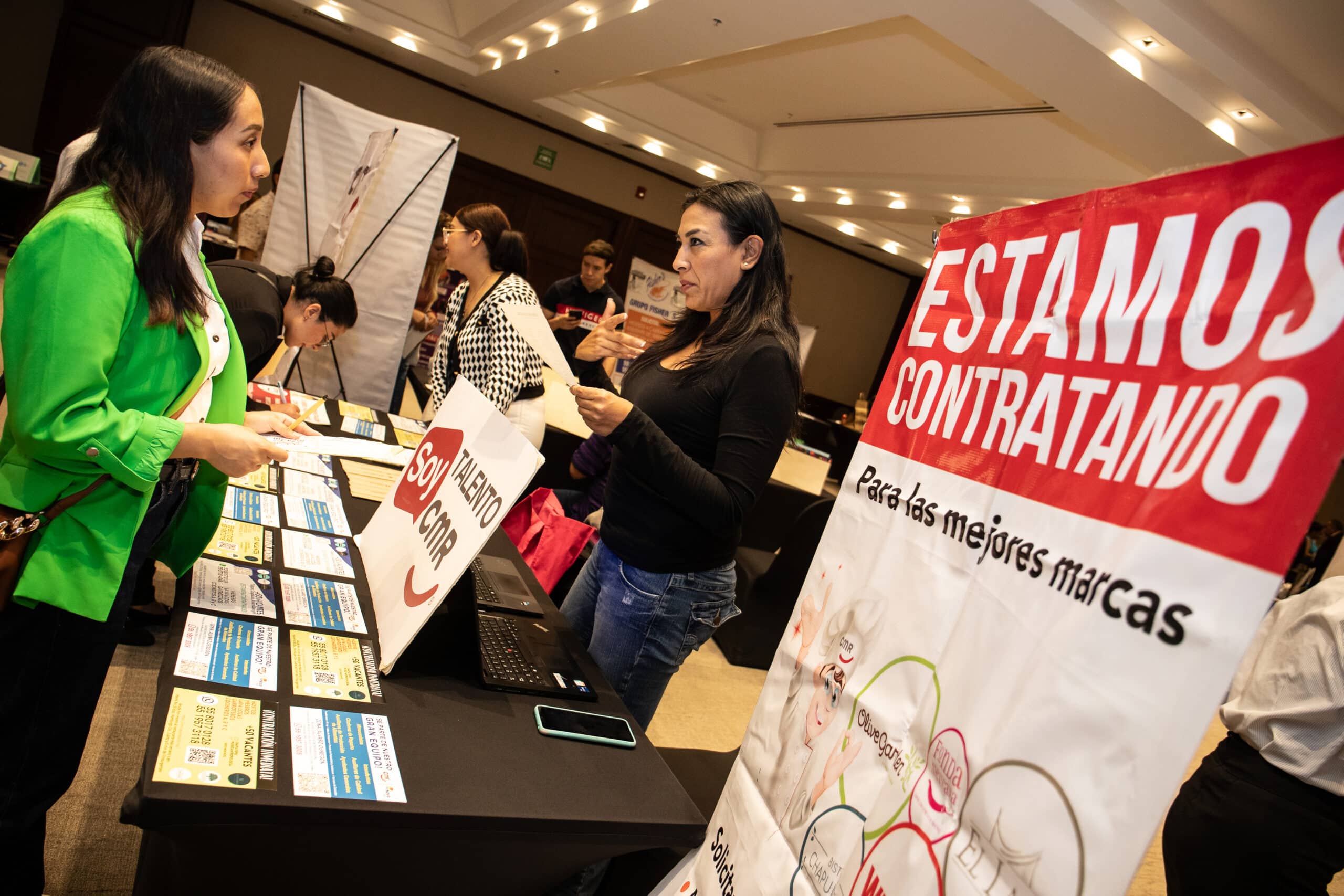
IYF brings communities, funders, and civil society together to turn talent into opportunity.Our approach to youth skills development starts with listening: to young people, to employers, and to the local partners who understand their communities best. Together, we identify what young people need to succeed in their local economy, what employers need from future talent, and what’s keeping education, training, workforce, and community systems from working together.
Then we design solutions that are practical, relevant, and built to last, around three things:
1. What local systems can realistically support
2. What young people need to succeed
3. What employers need from current and future talent
Explore Our Programs, Tools, and Research
Our work is organized around three pillars: programs, tools, and research. And our funders make this work possible.
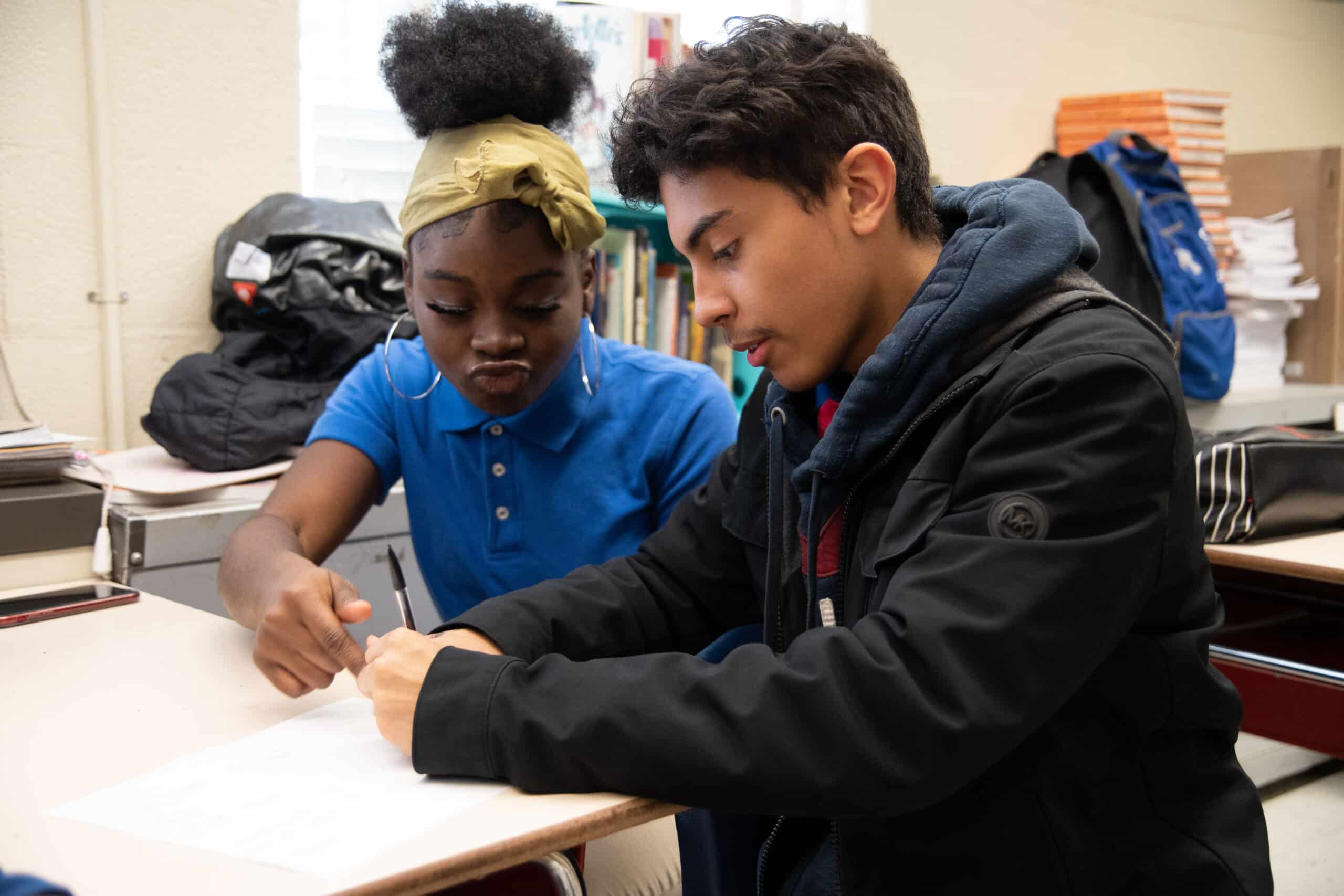
Programs
Replicable program models, deployed in communities and education systems around the world.
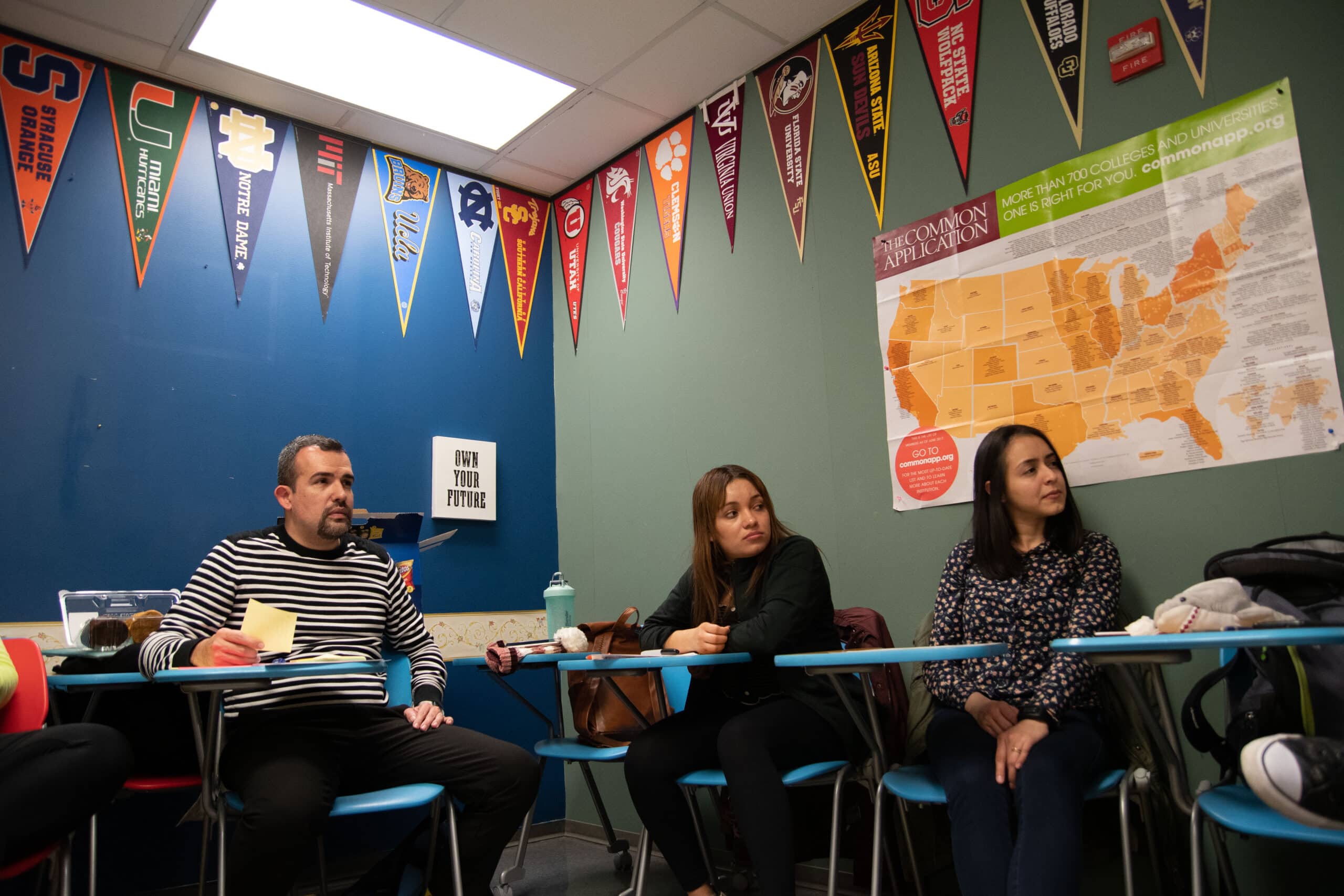
Tools
Practical curricula and resources that help institutions and employers support young people.
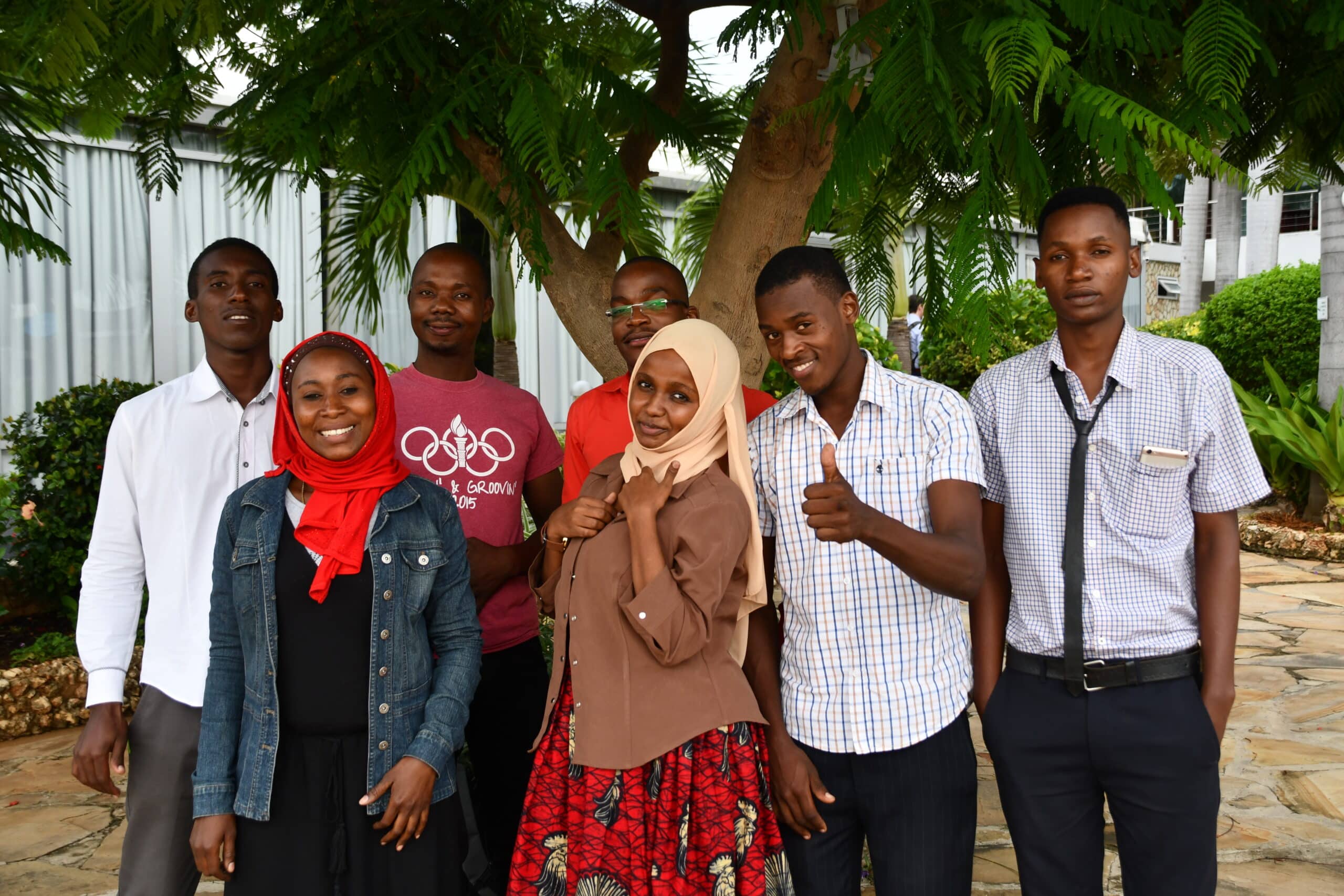
Research
Action-oriented research that turns evidence into programs, policy, and practice.