These youth skills training programs deploy proven approaches quickly, efficiently, and effectively across a wide range of contexts, including in-school and out-of-school settings.
When developing a new program, IYF partners with local communities and funders to choose the best approach, whether existing or custom, that best supports the community’s youth development goals.
What We Deliver
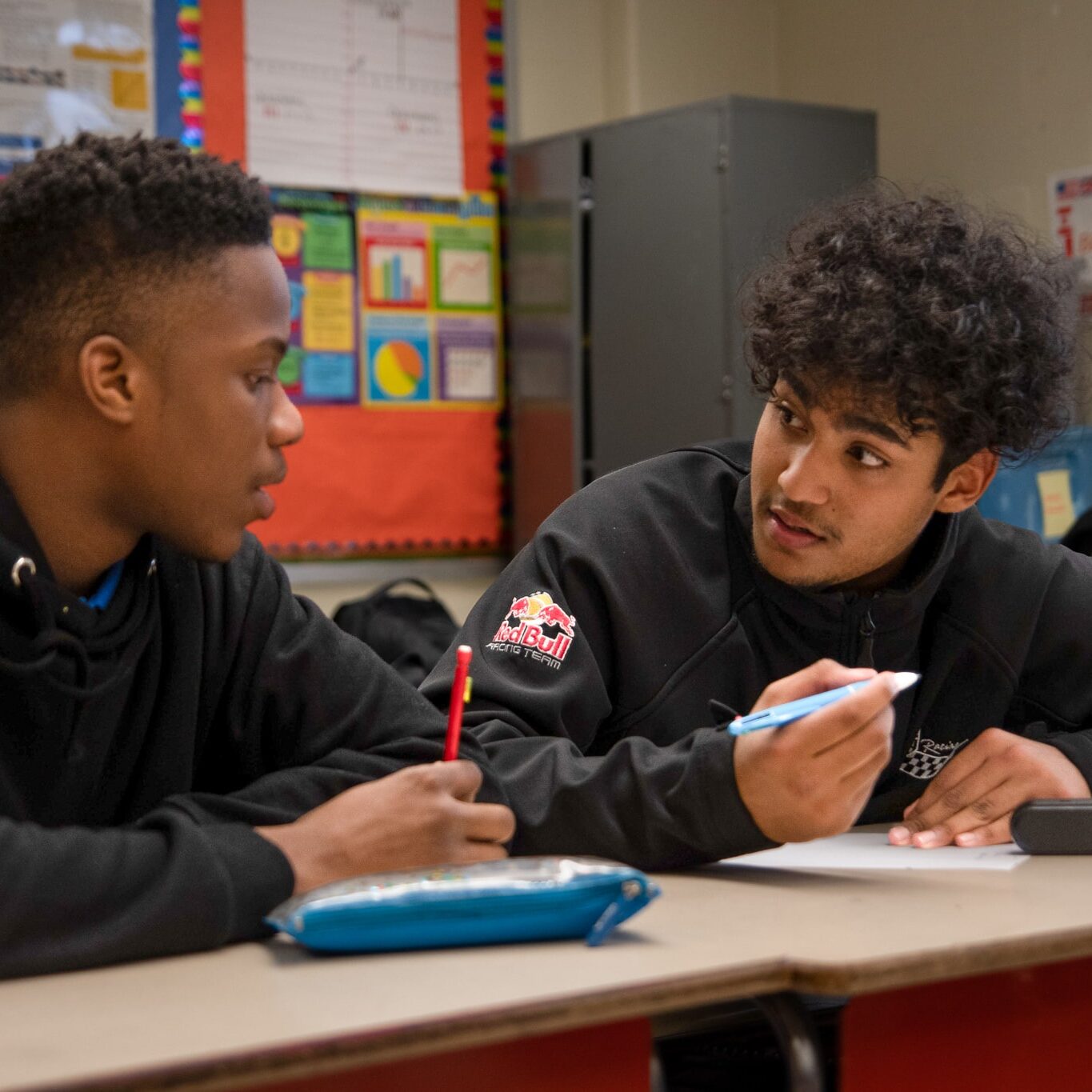
- Workforce Alignment to Industry Demand: IYF assesses real-time place-based labor market demands, translates those demands into skills that are most scarce, and then equips local training providers to meet those skilling gaps.
- Employable Skills: We equip young people with the skills that employers say are hardest to find – communication, problem-solving, teamwork, reliability.
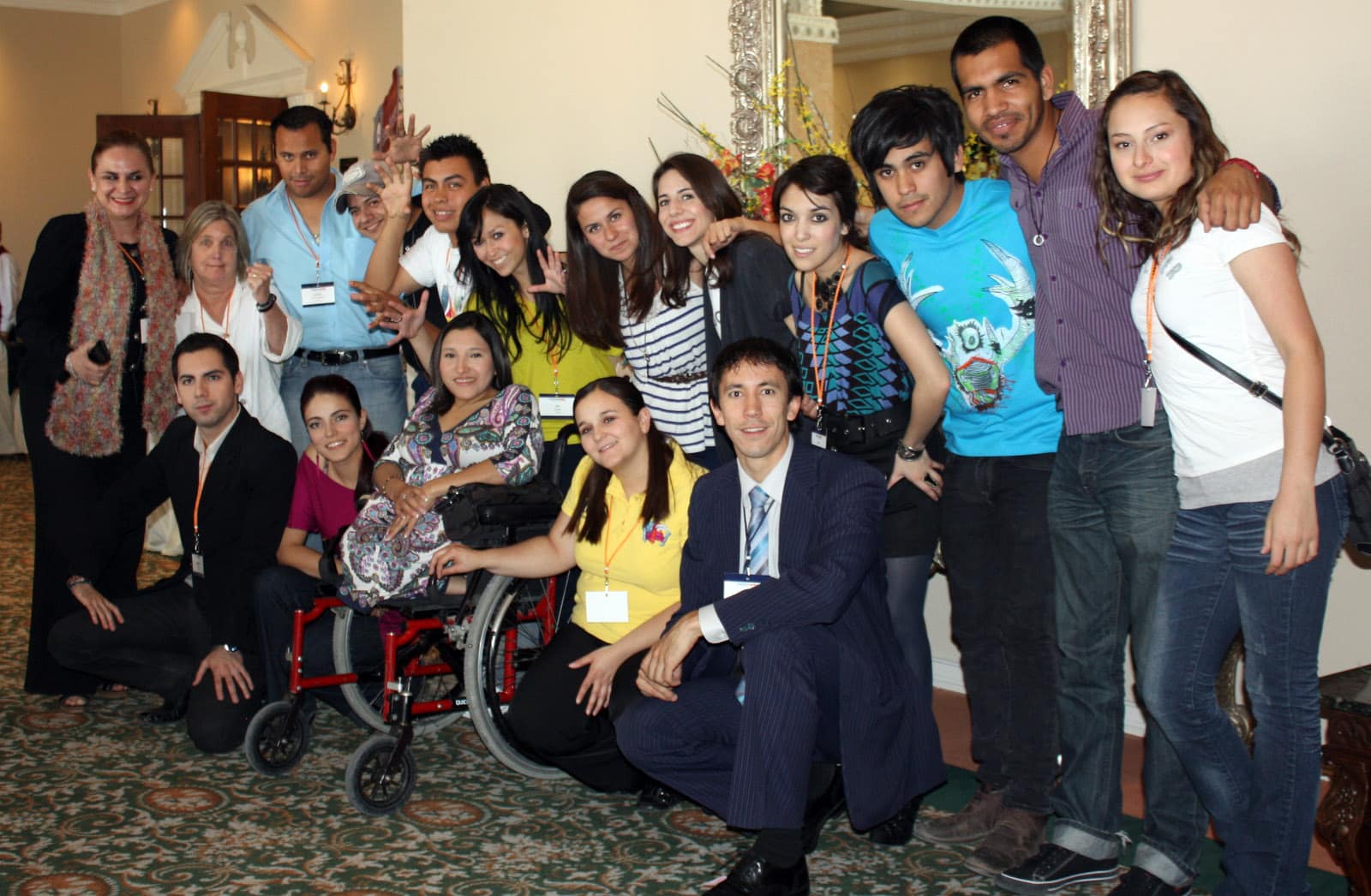
- Youth Leadership: We equip young people with the tools, resources, mentorship, and confidence to lead transformative change in their communities.
- Youth Outreach: We use targeted campaigns to reshape the messages, narratives & role models that young people encounter every day around work, education & opportunities.
- AI-Preparedness: We train young people on generative AI & its practical application in work & education, prepare them for responsible AI-use and equip them with the critical thinking skills to analyze & adapt AI-generated output.
Evidence of Impact
Across our programs, we consistently track youth reached, program completion, skill development, employment after graduation, continued education, and entrepreneurship.
Depending on the model, we also measure what each program is specifically designed to change, including:
- Employer satisfaction
- Job quality or earnings
- Youth-led projects or recommendations
- Partner capacity strengthened
- Curriculum, tools, or practices adopted
- Policies, systems, or institutions improved
Our successes, so far, include:
- 96% retention rate and 40% promotion rate among employee participants in one study of IYF’s life skills curriculum
- 87% of 2025 graduates connected to economic opportunities: 33% engaged in work, 46% enrolled in education, and 21% engaged in both
- 90% employer satisfaction across workforce development programs

Youth leadership

AI-preparedness

Outreach
Workforce alignment